
Church Injury Lawyer Atlanta, GA
 If you or a family member was injured at a church due to unsafe conditions, inadequate security, or abuse by clergy or staff, you’re facing a situation where trust was violated in one of the places it should matter most. Religious organizations occupy positions of moral authority in communities. That authority creates responsibilities. When churches fail to protect the people who attend, accountability matters.
Many victims hesitate to pursue claims against religious institutions. But churches are not above the law.
Our Atlanta, GA church injury lawyer has represented crime victims and their families for more than 40 years. We pursue civil claims against religious organizations whose negligence allowed injuries, assaults, or abuse to occur. Whether the harm involved unsafe premises, violent crime, or misconduct by trusted individuals, we hold negligent organizations accountable.
Why Choose Deitch + Rogers for Church Injury Cases in Atlanta, Georgia?

Decades Holding Organizations Accountable When Trust Is Violated
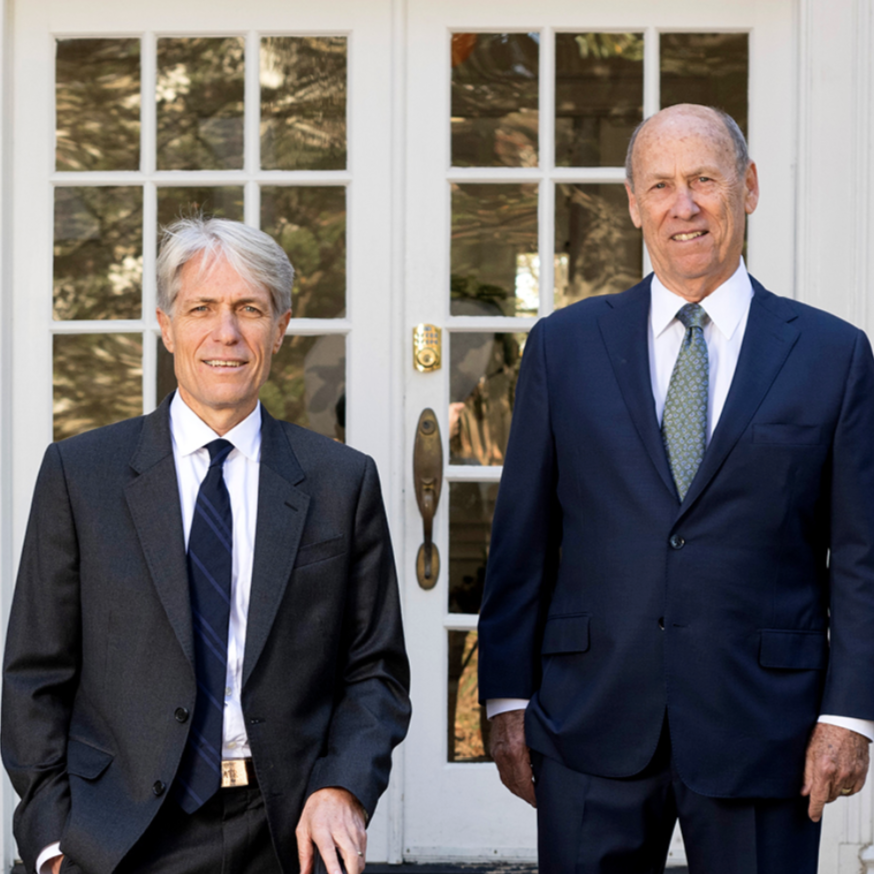
Gilbert Deitch, Founding Partner, graduated from the University of Tennessee College of Law in 1970 and has spent more than five decades representing crime victims in Georgia. A member of the Georgia Trial Lawyers Association, he has published premises liability articles in TRIAL Magazine and the Georgia State Bar Journal. His appearances on NBC Nightly News, 20/20, and Atlanta news programs have addressed victims’ rights in cases involving institutional failures.
Andrew Rogers, Founding Partner, earned his J.D. from Georgia State University College of Law in 1988. A charter member of the National Crime Victim Bar Association, he has earned recognition from Super Lawyers and holds the Highest Premises Liability Verdicts in Georgia for 2013, 2014, 2018, and 2019.
If you need a premises liability attorney in Atlanta, GA for a church-related matter, our firm brings the experience these sensitive cases require.
Over $200 Million Recovered for Crime Victims
Deitch + Rogers has recovered more than $200 million for victims of violent crimes and institutional negligence across Georgia. Our results include a $60 million verdict against an organization that failed to protect vulnerable individuals from sexual assault and a $46 million verdict involving institutional failures that led to a child’s death.
Every case depends on its specific facts. But our record demonstrates we know how to prove organizational negligence and achieve meaningful accountability.
Contingency Fee Representation
We advance all investigation, litigation, and expert expenses. Your family pays nothing upfront. Attorney fees come only from compensation we recover for you.
What Families Say
⭐⭐⭐⭐⭐
“All the players at this firm are not only extremely knowledgeable they have a tremendous drive to get the best outcome for their clients. An exceptional group of people!” – George Cav
Read more reviews on our Google Business Profile.
Types of Church Injury Cases We Handle in Atlanta
 Religious organizations operate facilities, programs, and ministries where injuries can occur due to negligence. We handle civil claims across these contexts.
- Clergy abuse and sexual misconduct. When pastors, priests, youth ministers, or other clergy members abuse congregants, churches that failed to screen employees, ignored warning signs, or covered up prior complaints may face civil liability. These cases involve institutional negligence beyond the individual abuser.
- Child abuse in church programs. Sunday school, vacation Bible school, youth groups, and childcare programs create situations where children are vulnerable. Churches must screen volunteers and staff, supervise activities, and respond appropriately to complaints.
- Premises liability injuries. Slip and fall accidents, inadequate maintenance, defective handrails, poor lighting, and unsafe parking lots can all cause injuries on church property. Churches owe duties to maintain safe premises for congregants and visitors.
- Church shooting and violence. Victims of violence at churches may have civil claims when inadequate security, ignored threats, or failure to implement safety measures contributed to the incident.
- Youth activity and camp injuries. Church-sponsored camps, retreats, and youth activities require proper supervision and safety protocols. Injuries from negligent supervision, unsafe conditions, or transportation accidents may support claims.
- Parking lot crimes. Violent crimes in church parking lots may give rise to negligent security claims when churches fail to provide adequate lighting, surveillance, or security measures.
Georgia Legal Requirements for Church Injury Claims

Georgia law applies to religious organizations just as it does to other property owners and institutions.
Premises Liability
Under O.C.G.A. § 51-3-1, owners and occupiers of property owe invitees a duty of ordinary care. Church members, visitors, and program participants are invitees entitled to reasonably safe premises. This includes maintaining facilities, addressing hazards, and protecting against foreseeable criminal acts.
Statute of Limitations
Personal injury claims must generally be filed within two years under O.C.G.A. § 9-3-33. For minors, this period is typically tolled until the child turns 18. Childhood sexual abuse claims have extended deadlines under O.C.G.A. § 9-3-33.1, allowing victims to file until age 23 or within two years of discovering the connection between abuse and injuries.
Religious Organization Status
Churches’ religious status doesn’t exempt them from civil liability for negligence. While the First Amendment protects religious practices and doctrines, it doesn’t shield organizations from accountability for failing to maintain safe premises, screen employees, or respond to known dangers. Georgia courts can adjudicate negligence claims without interfering in religious matters.
Respondeat Superior
Churches may be vicariously liable for wrongful acts committed by employees within the scope of their employment. When clergy or staff commit misconduct during or related to their duties, the employing organization may share liability.
What Damages Are Recoverable in Atlanta Church Injury Cases?
 Injuries at religious organizations can be physical, psychological, or both. Georgia law provides compensation across multiple categories.
Economic Damages
Medical expenses include emergency treatment, hospitalization, surgery, therapy, counseling, and ongoing care. Abuse survivors often require years of mental health treatment. Future anticipated costs are recoverable based on professional projections.
Lost wages compensate for income missed during recovery. If injuries cause permanent disability or trauma symptoms that affect work capacity, lost earning capacity becomes recoverable.
Non-Economic Damages
Pain and suffering addresses physical discomfort and emotional trauma from injuries or abuse. Violations of trust in religious contexts often cause particularly profound psychological harm.
Mental anguish covers anxiety, PTSD, depression, spiritual crisis, and relationship difficulties. Abuse by clergy frequently causes lasting effects on victims’ faith, family relationships, and ability to trust. Loss of enjoyment of life recognizes that victims may lose connection to religious community and activities that previously gave their lives meaning.
Punitive Damages
Georgia allows punitive damages under O.C.G.A. § 51-12-5.1 when conduct demonstrates willful misconduct, malice, or conscious indifference to consequences. Churches that knowingly employed abusers, covered up complaints, or actively concealed dangers from congregants may face punitive liability.
What Steps Should I Take After a Church Injury in Atlanta?
 Protecting your rights while dealing with a difficult situation requires careful action.
1. Get medical attention. Your health comes first. Seek immediate care for physical injuries. For abuse or assault, consider a forensic examination to preserve evidence.
2. Report to appropriate authorities. If a crime occurred, report to police. This creates an official record regardless of whether criminal charges follow. For child abuse, Georgia law may require certain individuals to report to child protective services.
3. Document everything. Write down what happened while memories are fresh. Note dates, times, locations, witnesses, and exactly what occurred. Photograph any physical evidence or injuries.
4. Preserve communications. Save emails, text messages, letters, and any other communications with church leaders, staff, or others involved. These may become important evidence.
5. Request church records. Incident reports, personnel files, complaint records, and policies may all be relevant. Make requests in writing and keep copies.
6. Identify witnesses. Other congregants, staff members, or program participants may have relevant information. Get contact information before memories fade or people relocate.
7. Avoid discussing details publicly. Don’t post about the situation on social media. Limit discussions to trusted family members, your attorney, and therapists.
8. Connect with a counselor. Mental health support matters for your wellbeing. Therapy documentation also supports legal claims.
9. Research the organization’s history. Prior lawsuits, complaints, or news coverage may reveal patterns of negligence.
10. Contact a church injury lawyer. An experienced attorney can investigate organizational failures, identify all liable parties, and pursue civil accountability while you focus on healing.
Church Injury Statistics in Atlanta

Data reveals the scope of injuries and abuse occurring in religious settings.
According to research compiled by insurance industry studies, churches face significant premises liability exposure. Slip and fall claims, parking lot incidents, and property maintenance issues account for substantial numbers of church-related injuries annually.
The U.S. Department of Justice has prosecuted numerous cases involving clergy abuse across denominations. Civil litigation has revealed systemic patterns of abuse and cover-up in religious organizations nationwide.
Research from the Centers for Disease Control and Prevention indicates that positions of trust and authority, including religious leadership, create opportunities for abuse when organizations lack proper safeguards.
According to data from child protection organizations cited by the Administration for Children and Families, youth-serving religious organizations face ongoing challenges in preventing abuse. Background check requirements, supervision protocols, and reporting procedures all factor into organizational safety.
The FBI has investigated hate crimes and violent attacks targeting religious institutions. These incidents highlight the importance of church security measures.
Metro Atlanta’s substantial religious community includes hundreds of churches, synagogues, mosques, and other houses of worship. The Georgia Bureau of Investigation maintains records of crimes occurring at religious facilities throughout the state.
Atlanta Church Injury Lawyer FAQs

Can I really sue a church?
Yes. Churches are not immune from civil liability for negligence. While religious practices are protected, organizational failures to maintain safe premises, screen employees, or respond to known dangers can be adjudicated in civil court.
What if the church claims religious freedom?
The First Amendment protects religious beliefs and practices but doesn’t shield churches from liability for negligent conduct. Courts can evaluate whether a church breached its duty of care without interfering in religious doctrine.
How long do I have to file a church injury claim?
The general statute of limitations is two years, tolled for minors. Sexual abuse claims have extended deadlines under Georgia law. Consulting an attorney promptly preserves your options.
Can I sue for clergy sexual abuse?
Yes. Churches that failed to screen clergy, ignored complaints, or covered up prior misconduct may face civil liability for resulting abuse. The individual abuser and the organization can both be defendants.
What if the abuse happened years ago?
Georgia has extended statutes of limitations for childhood sexual abuse. Even if years have passed, your claim may remain viable. Consult an attorney to determine applicable deadlines.
How much does hiring a church injury lawyer cost?
We handle these cases on contingency. You pay nothing upfront and owe no fees unless we recover compensation. All litigation expenses are advanced by our firm.
What evidence matters in church injury cases?
Important evidence includes incident reports, personnel records, prior complaints, security measures, church policies, training documentation, and records of your injuries and treatment.
Can I sue if I signed a waiver for a church activity?
Waivers may limit some claims but typically cannot protect against gross negligence or intentional misconduct. Georgia courts also generally hold that waivers cannot bar claims involving minors or criminal conduct.
What if the church denies everything?
Churches and their insurers typically defend claims vigorously. That’s why independent investigation matters. We don’t rely on the church’s account of what happened.
Can I remain anonymous?
Georgia courts sometimes allow plaintiffs in abuse cases to proceed using pseudonyms. We discuss privacy options during consultation.
What if other victims exist?
Multiple victim claims can strengthen cases by demonstrating patterns of negligence. We handle matters involving multiple survivors while respecting each person’s privacy and individual circumstances.
Can I sue the individual abuser and the church?
Yes. Claims can name both the individual perpetrator and the organization. However, churches typically have insurance coverage and greater resources to pay judgments.
What if the church has closed or dissolved?
Claims may still proceed against successor organizations, insurance policies, or denominational bodies that exercised oversight. We investigate all potential sources of recovery.
Will this affect my relationship with my faith community?
Many survivors worry about community reaction. We understand these concerns and discuss them during consultation. Pursuing accountability doesn’t require abandoning faith.
How long do church injury cases take?
Duration varies based on case complexity and whether trial becomes necessary. Some matters resolve within a year. Cases involving institutional cover-ups may require more extensive investigation.
Most Dangerous Locations for Church Injuries in Atlanta

Church injuries happen in specific contexts. Understanding where problems occur helps families recognize when religious organizations failed their duties and identify patterns of negligence.
Nurseries and children’s ministry areas. This is where some of the most serious injuries happen. Cribs that don’t meet current safety standards. Toys with small parts that create choking hazards. Changing areas where supervision gets inconsistent. Check-in systems that don’t actually track who’s picking up which child. Volunteer ratios that are inadequate for the number of kids. Churches ask parents to trust them with infants and toddlers, and when that trust is misplaced, the consequences can be devastating.
Sunday school classrooms. Aging furniture that tips over. Art supplies that aren’t age-appropriate. Classrooms with hazards nobody’s evaluated in years. Volunteers who aren’t trained in child supervision. Kids of different ages mixed together without proper management. The focus is on teaching, not safety, and injuries happen in the gaps.
Playgrounds and outdoor areas. Church playgrounds often get less attention than school playgrounds. Equipment that’s decades old. Surfacing that’s worn through or was never adequate. Supervision that’s an afterthought during fellowship time or between services. Parking lots adjacent to play areas without proper barriers. Churches maintain these spaces for families, and they have duties to keep them safe.
Fellowship halls and multi-purpose rooms. Wet floors after events. Folding tables and chairs that collapse. Hot coffee urns at kid height. Crowded conditions during potlucks and gatherings. These spaces get reconfigured constantly, and safety hazards change with each setup. What was fine for an adult Bible study becomes dangerous when children are present.
Sanctuary and worship spaces. Balconies without adequate railings. Heavy doors that close on small fingers. Sound equipment with exposed cords. Candles during services. Communion elements that create choking hazards for small children. Crowded aisles during services. The sanctuary feels safe because it’s sacred space, but physical hazards don’t care about spiritual significance.
Stairways and entryways. Older church buildings often have stairs that don’t meet modern code. Railings that are loose or missing. Poor lighting in stairwells. Entryways that get slippery in wet weather. These transitional spaces get overlooked in facility maintenance, but they’re where falls happen.
Youth group areas. Basements, youth rooms, recreation areas. Spaces designed for teenagers often have less supervision than children’s areas because everyone assumes teens can take care of themselves. Game equipment that’s not properly maintained. Activities that push physical limits without adequate safety measures. The culture of youth ministry sometimes prioritizes fun over safety.
Parking lots. Church parking lots on Sunday morning are chaos. Families arriving at the same time. Elderly members with mobility issues. Kids running between cars. Poor traffic flow. Inadequate pedestrian pathways. Parking lots that weren’t designed for the congregation’s current size. These are still church property, and injuries there are still the church’s responsibility.
Kitchen and food preparation areas. Hot surfaces, sharp knives, heavy equipment. Volunteers who aren’t trained in food safety. Allergens that aren’t properly managed. Spills that don’t get cleaned up promptly. Church kitchens serve hundreds of people at events, and the same food safety duties that apply to restaurants apply to churches.
Camp and retreat facilities. Overnight camps, weekend retreats, mission trips. When churches take people off-site, the risks multiply. Unfamiliar facilities. Activities like swimming, hiking, or ropes courses. Sleeping arrangements that create vulnerability. Medical emergencies far from hospitals. Churches that organize these programs have duties to evaluate facilities, supervise activities, and respond to emergencies.
Counseling offices and private meeting spaces. Pastoral counseling, youth mentoring, one-on-one meetings. These private settings create opportunities for abuse when proper safeguards aren’t in place. Churches that allow adults to meet privately with children or vulnerable adults without windows, open doors, or accountability protocols are creating dangerous conditions.
Important Local Resources for Atlanta Church Injury Victims
 If you or a family member has been injured or abused at a church in Atlanta, these resources may help. Deitch + Rogers does not endorse these organizations.
Grady Memorial Hospital – (404) 616-4307. Level I trauma center with emergency services.
Grady Rape Crisis Center – (404) 616-4861. 24-hour crisis support and forensic examinations.
Atlanta Police Department – (404) 614-6544. Report crimes that occurred at religious facilities.
Georgia Division of Family and Children Services – Child protective services and abuse reporting.
SNAP (Survivors Network of those Abused by Priests) – Support network for clergy abuse survivors.
Georgia Crime Victims Compensation Program – Financial assistance for crime victims.
Georgia Legal Services Program – Free legal assistance for qualifying individuals.
Disclaimer: Listing these resources does not constitute an endorsement by Deitch + Rogers. We provide this information solely for convenience.
Contact Deitch + Rogers
 If you or a family member was injured or abused at a church in Atlanta due to organizational negligence, we want to hear what happened. Deitch + Rogers has spent more than 40 years representing crime victims when institutions failed the people who trusted them. We understand how difficult these cases are and treat every client with respect.
Consultations are free and confidential. You’ll speak with attorneys who handle institutional negligence cases regularly and receive an honest assessment of your options.
We work on contingency. Your family pays nothing unless we recover compensation for you. Contact us to schedule your consultation.


 (770) 588-0400
  1189 South Ponce de Leon Ave., NE, Atlanta, Georgia 30306